
Tips for Choosing Calm Colors to Create a Peaceful Home
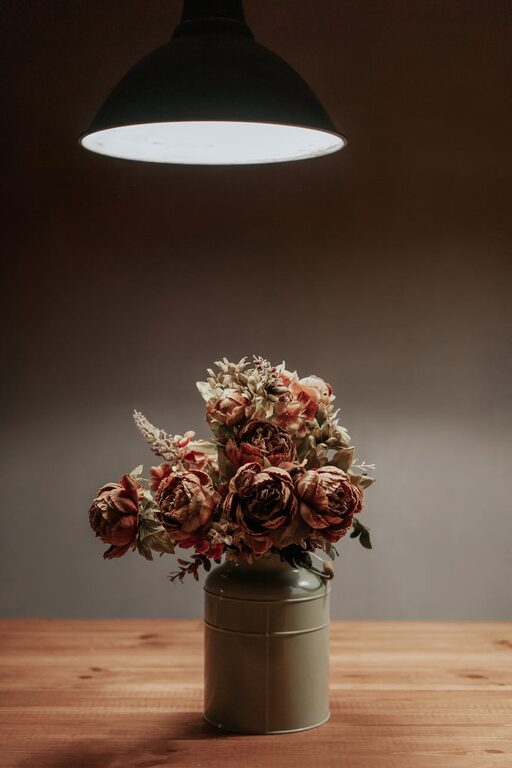
Creating a peaceful atmosphere at home starts with thoughtful choices, and one of the easiest ways to influence your space’s mood is through color. Calm colors help reduce stress, promote relaxation, and make your home feel welcoming and restful. But how do you choose the right calming colors that fit your style and space?
In this post, we’ll explore practical tips for selecting calm colors for your home. From understanding color psychology to picking the best shades and using them effectively, these pointers will guide you toward a soothing interior you’ll love.
Why Choose Calm Colors for Your Home?
Colors affect our emotions and energy. Bright, vivid colors may energize, while calm colors tend to evoke relaxation and a sense of balance. Using calming colors in living rooms, bedrooms, or any space where you unwind can improve your overall well-being.
Some benefits of calm colors include:
– Lower stress and anxiety levels
– Improved focus and mental clarity
– Enhanced feelings of comfort and safety
– A timeless, elegant look that doesn’t overwhelm
Understanding the Basics of Calm Colors
Before picking colors, it helps to know which hues are commonly associated with calmness.
Popular Calming Color Families
– Blues: Shades like powder blue, sky blue, and soft teal are widely known to be relaxing.
– Greens: Soft, natural greens invoke nature and can be very soothing.
– Neutrals: Warm beiges, soft taupes, and gentle grays offer a subtle, understated calm.
– Pastels: Light pinks, lavenders, and muted yellows have gentle energy without being too bold.
Each shade has its personality, so it’s about what feels calm and comforting to you.
Tips for Choosing Calm Colors for Your Home
1. Consider the Room’s Purpose
Think about how you use the room. Bedrooms benefit from cool, soothing shades like soft blue or sage green to promote sleep and relaxation. Living rooms or reading nooks might embrace warm neutrals or pale pastels that encourage calm conversation and rest.
2. Test Colors in Different Lighting
Natural light and artificial lighting affect how colors appear. Paint sample swatches on your walls and observe them throughout the day. Colors can look cooler or warmer depending on the light, which impacts their calming effect.
3. Start with a Neutral Base
Using a neutral color as the primary wall shade gives you flexibility. You can add calming accent colors via furniture, curtains, rugs, or decor. This layered approach adds depth and interest without overwhelming.
4. Keep It Simple
Avoid overly complicated color schemes. Too many shades can create visual noise. Aim for two to three complementary colors that blend well and maintain a tranquil ambiance.
5. Use Color Psychology to Guide Your Choices
– Blue: Associated with calm and trust, great for bedrooms and bathrooms.
– Green: Symbolizes renewal and balance, ideal in living spaces or kitchens.
– Lavender: Gentle and soothing, perfect for relaxing spaces.
– Beige/Gray: Neutral and adaptable, provides a peaceful backdrop.
6. Incorporate Textures and Materials
Calm colors are amplified when paired with soft textures like linen curtains, plush rugs, and natural wood. This combination enhances comfort and a cozy feeling.
7. Don't Forget the Ceiling and Trim
Painting ceilings and trims in soft, complementary shades can add subtle calm without being overpowering.
8. Use Calming Colors in Art and Accessories
If you aren’t ready to commit to wall paint, introduce calm colors through pillows, throws, artwork, and plants to start experiencing their soothing influence.
Mistakes to Avoid
– Choosing colors solely based on trends: What’s relaxing for one person isn’t for another. Pick colors that feel right to you.
– Ignoring room size and lighting: Dark calm colors in small rooms may feel gloomy rather than peaceful.
– Overusing white as “calm”: While white can be refreshing, too much can feel stark and cold.
Conclusion
Choosing calm colors for your home is a wonderful way to create an environment that nurtures your mind and body. By considering room functions, lighting, and personal preferences while embracing soothing hues, you can design spaces that invite tranquility and comfort. Remember, your home should be your sanctuary—filled with colors that bring you peace.
Try these tips on your next decorating project and enjoy the calming transformation!